
Test Reports & Research Validation
Purity You Can Verify
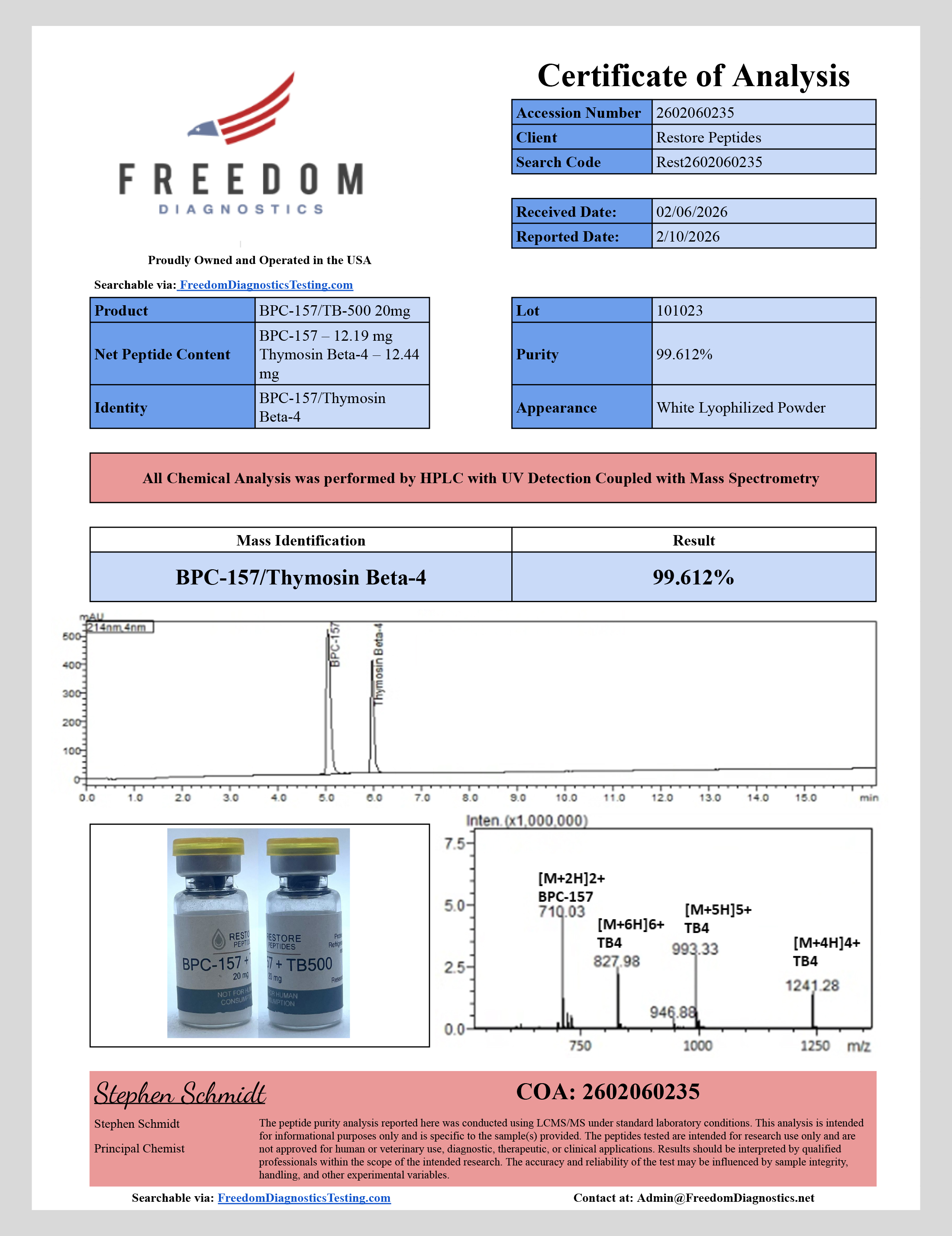
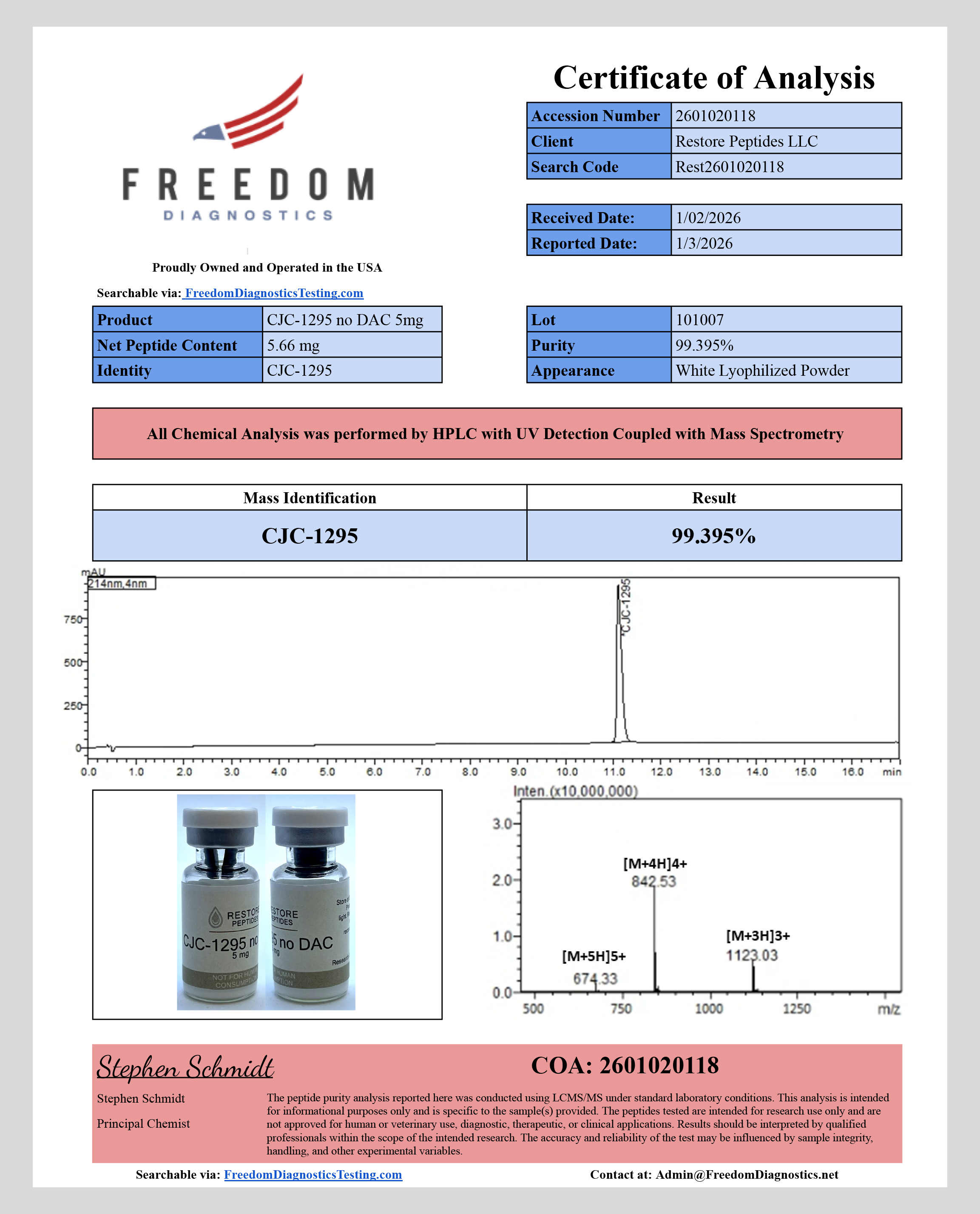
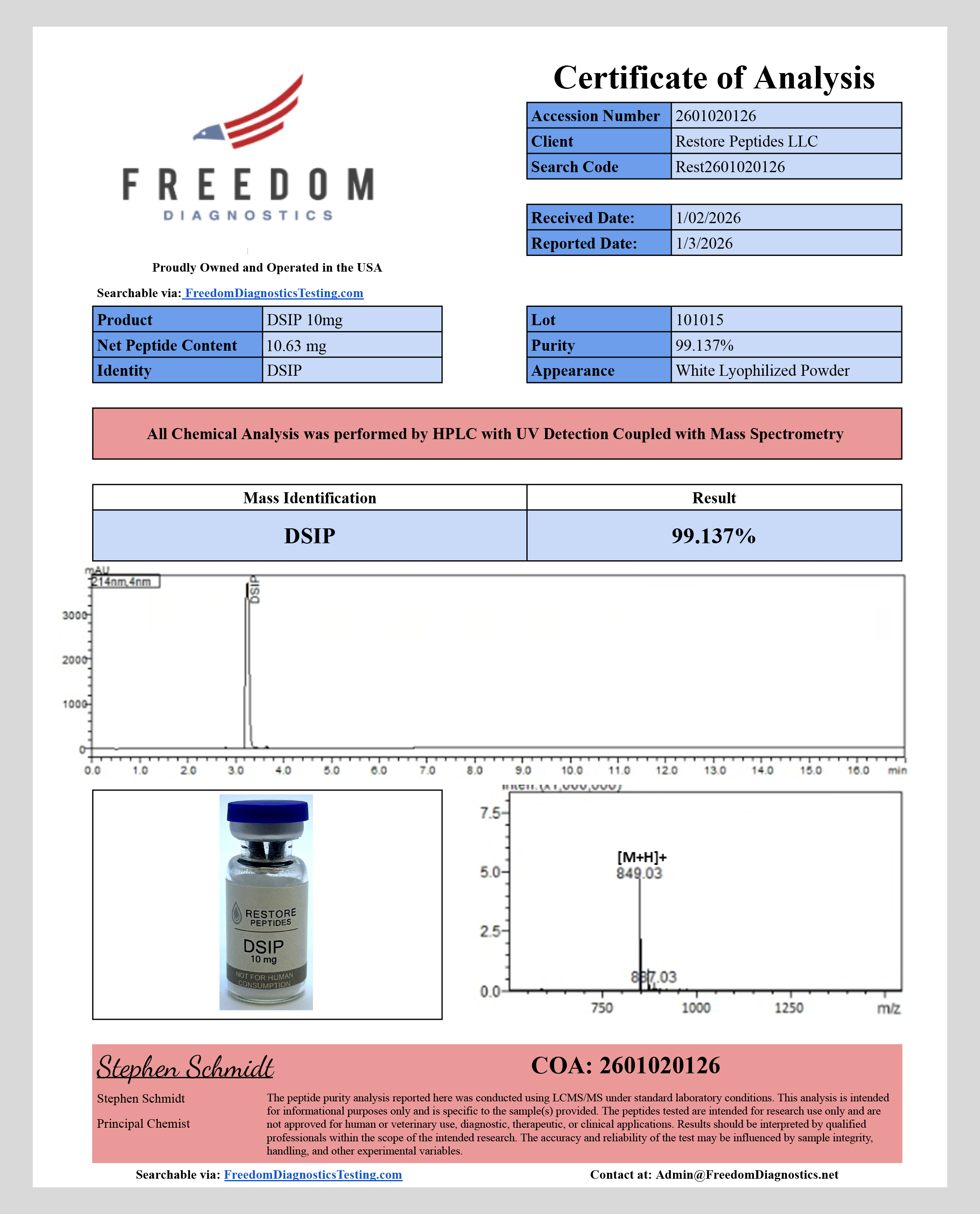
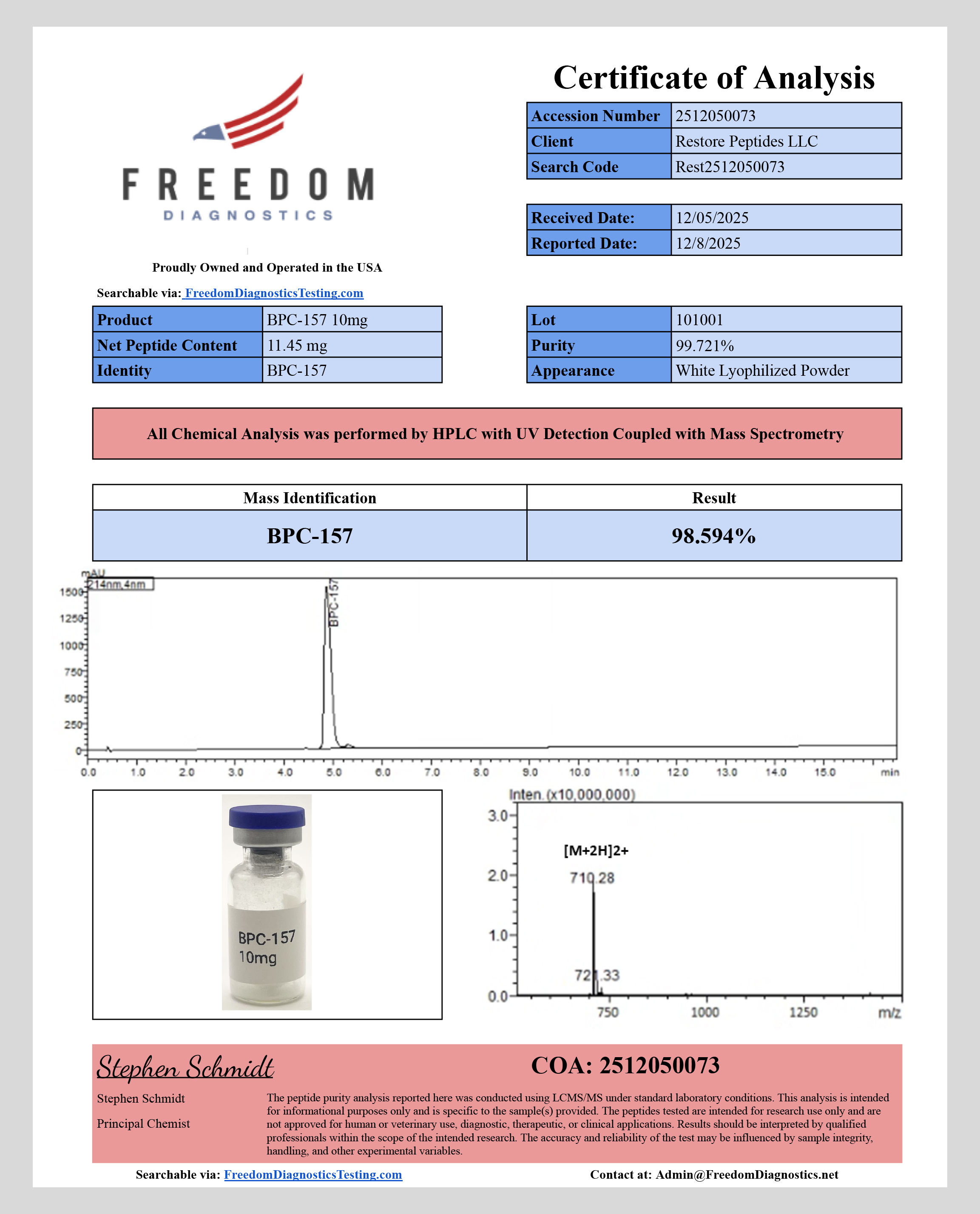
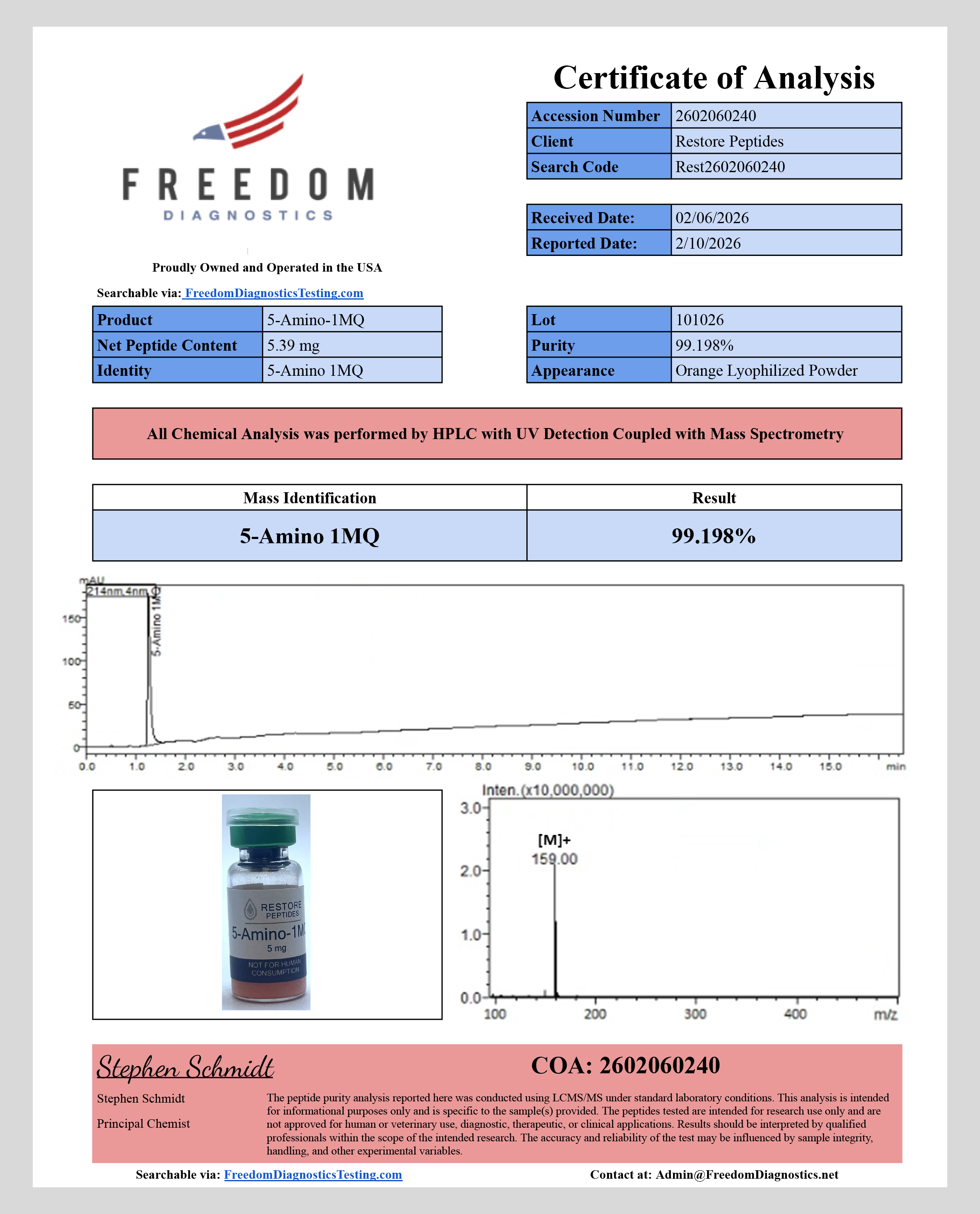
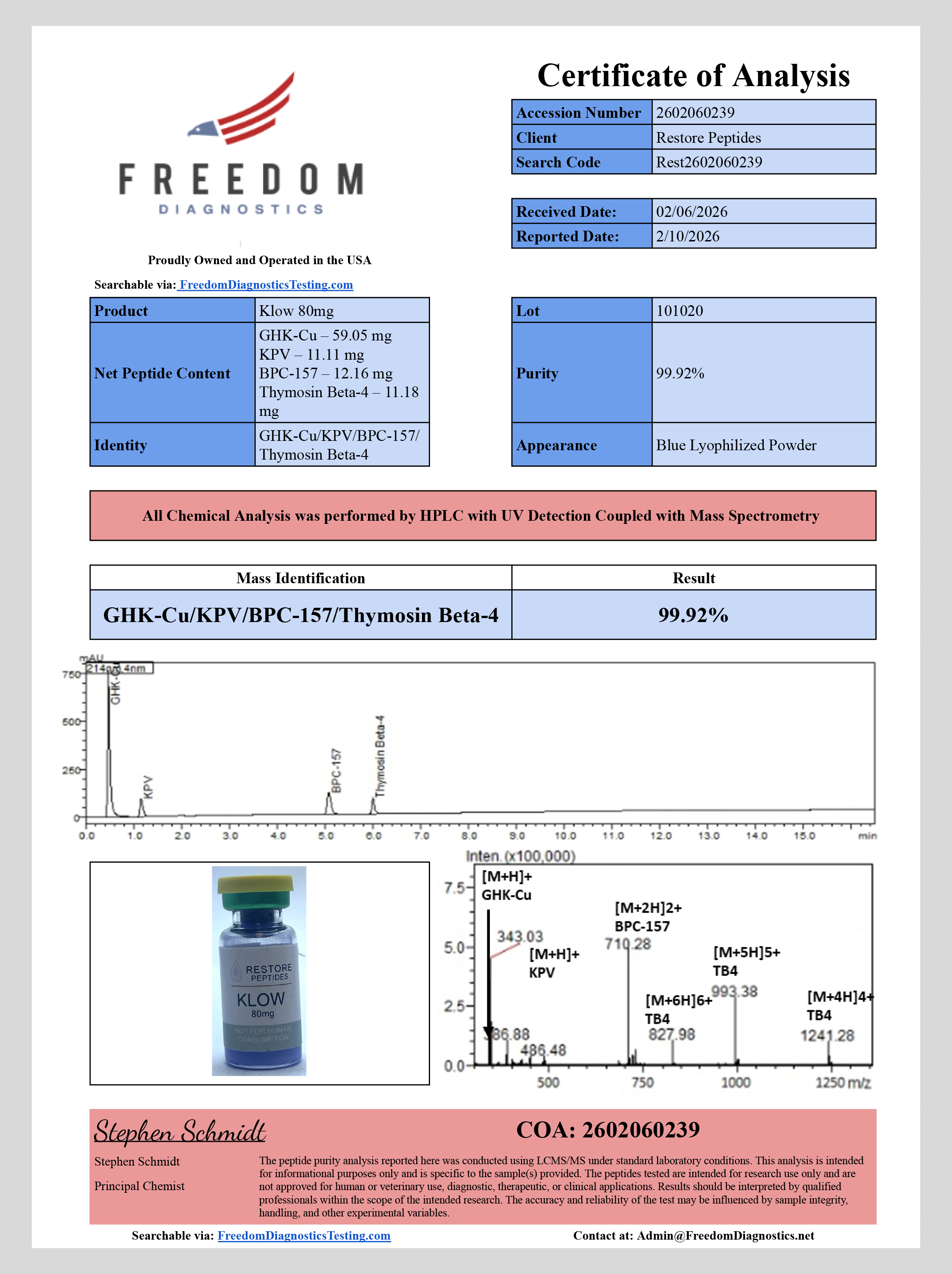
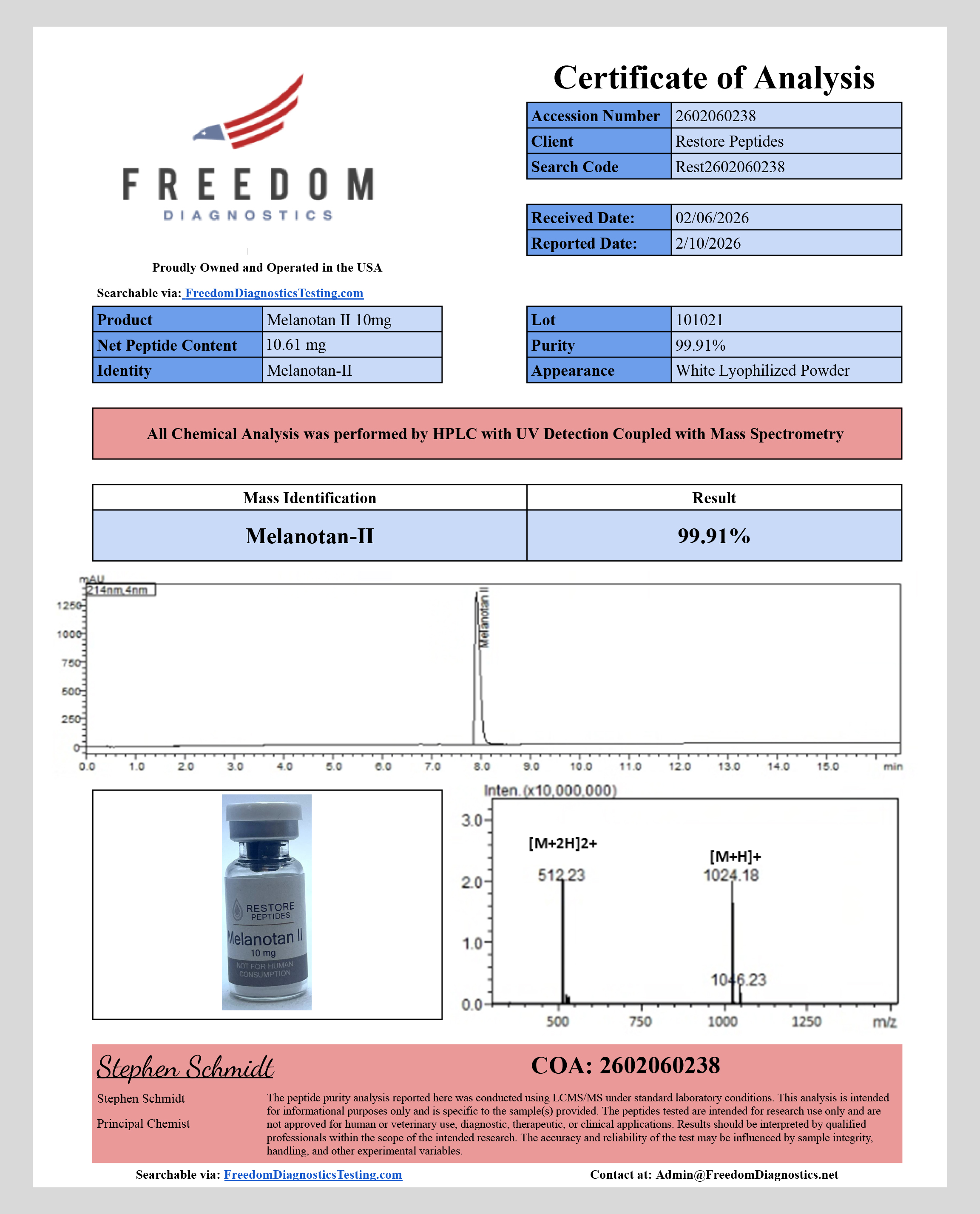
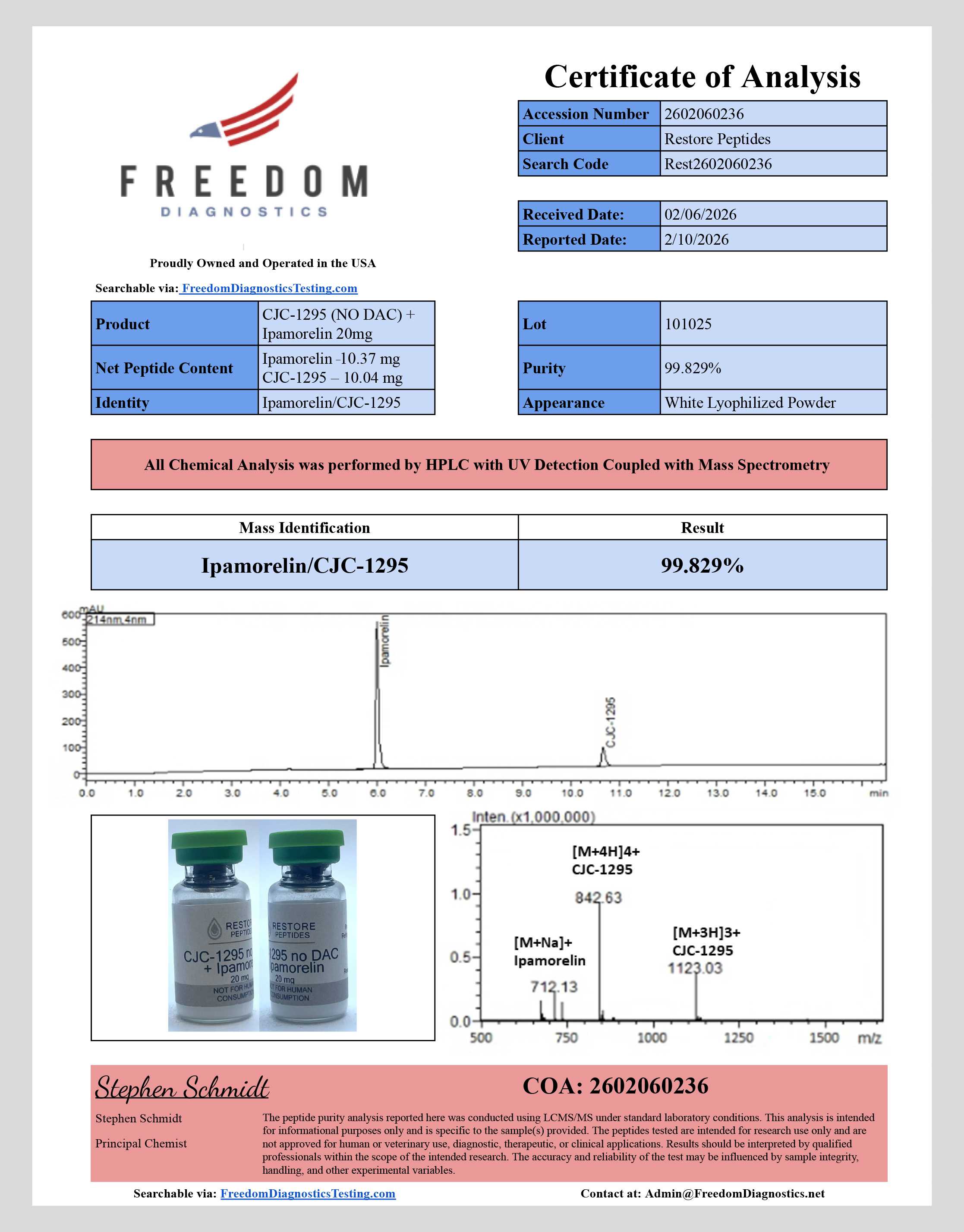
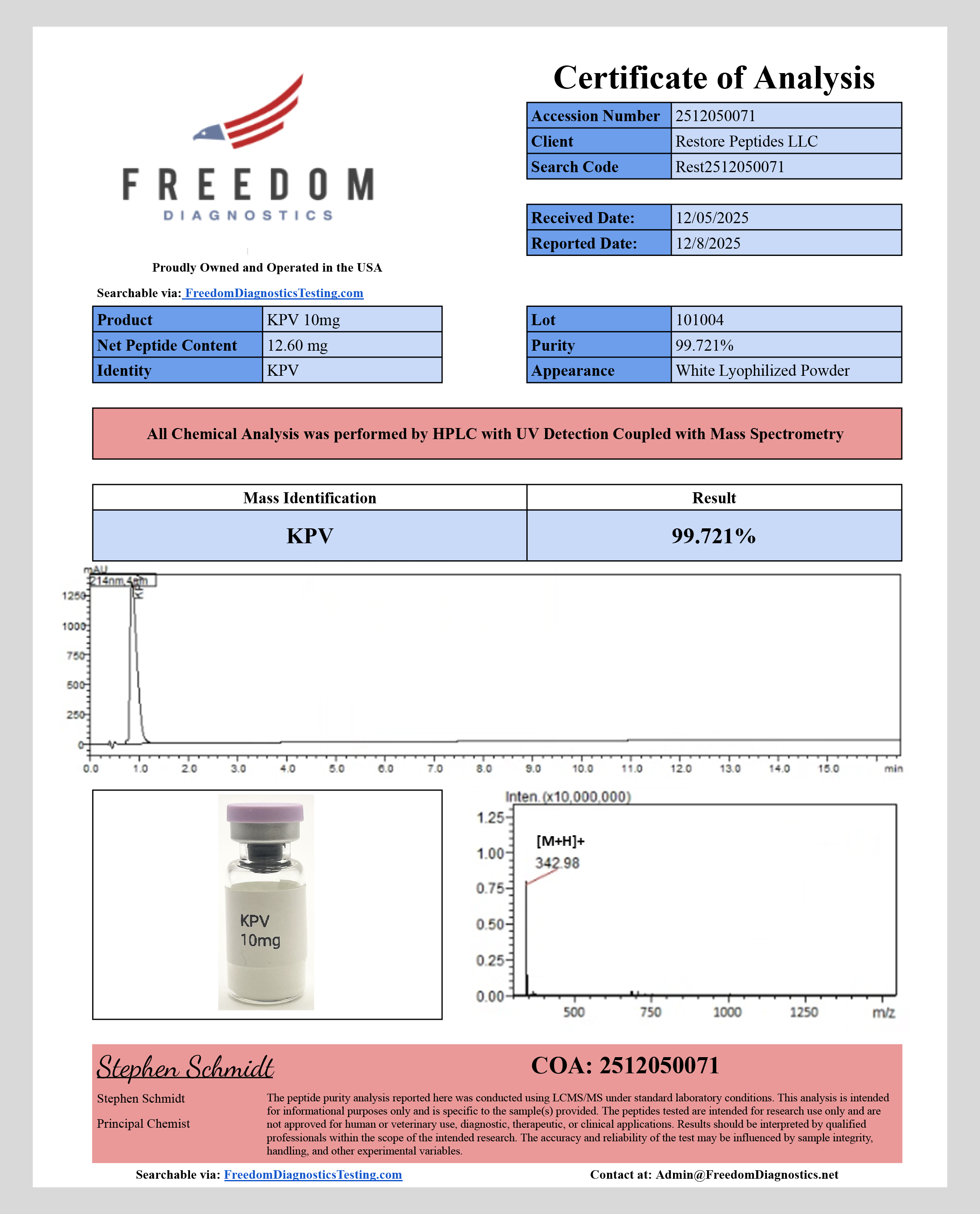
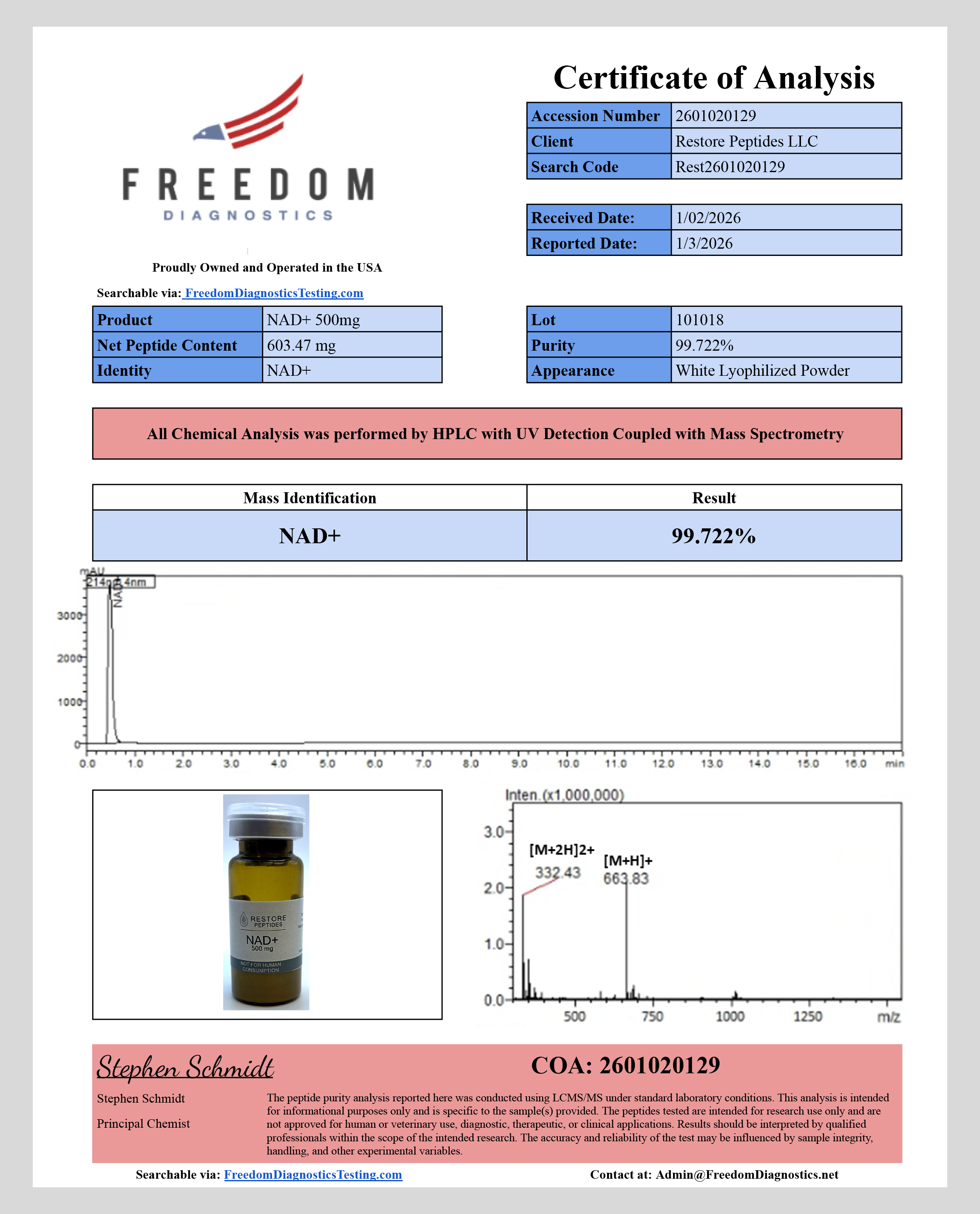
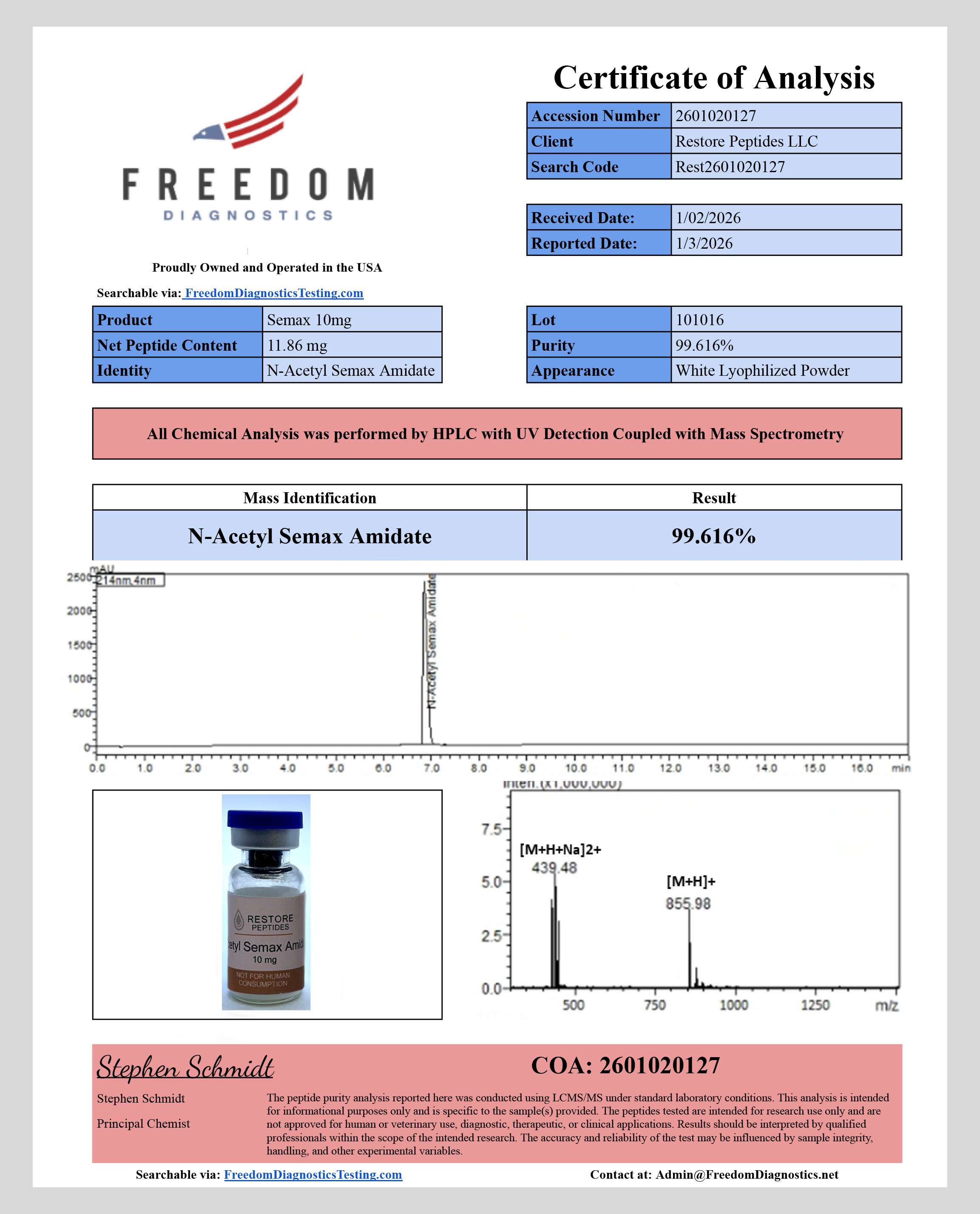
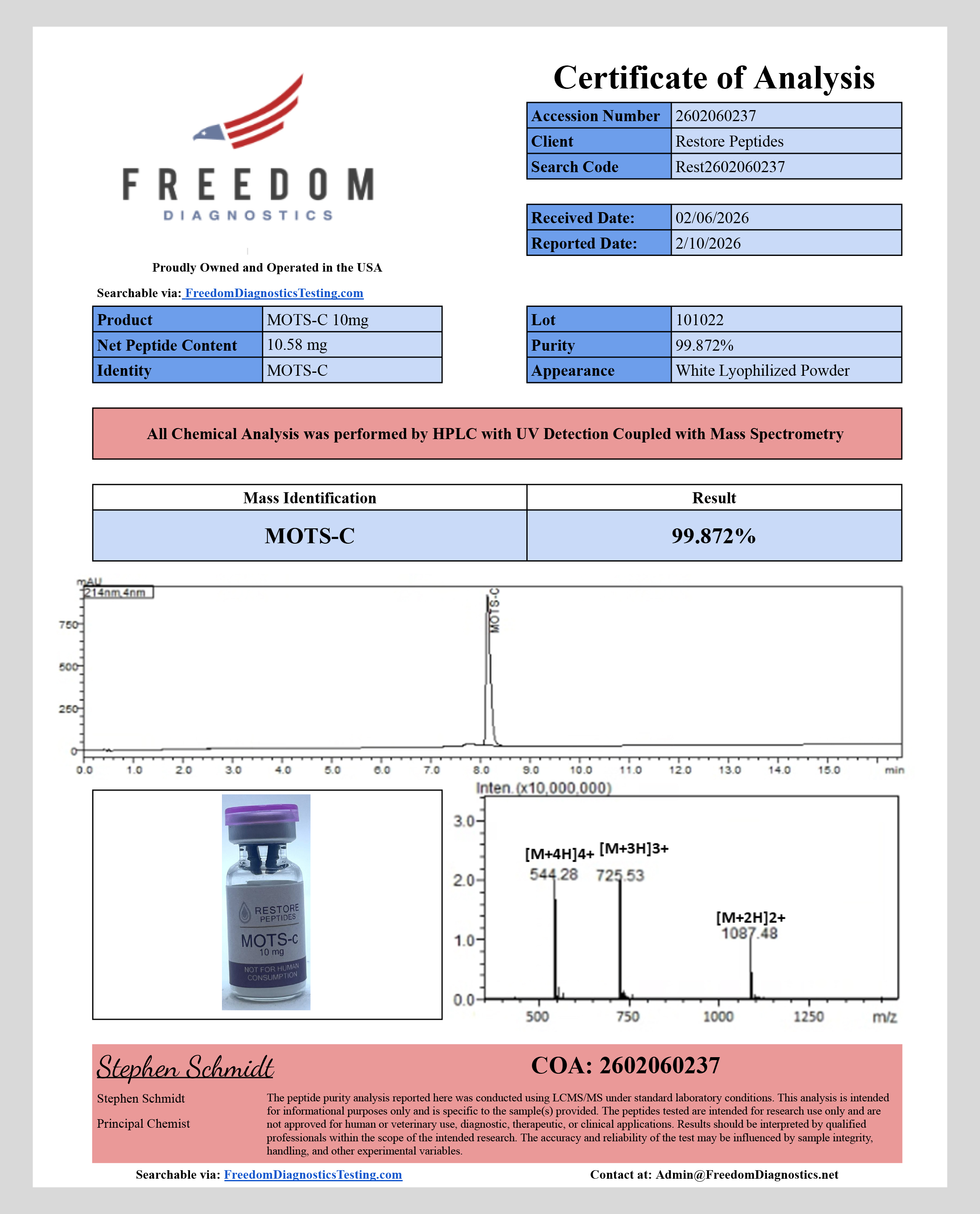
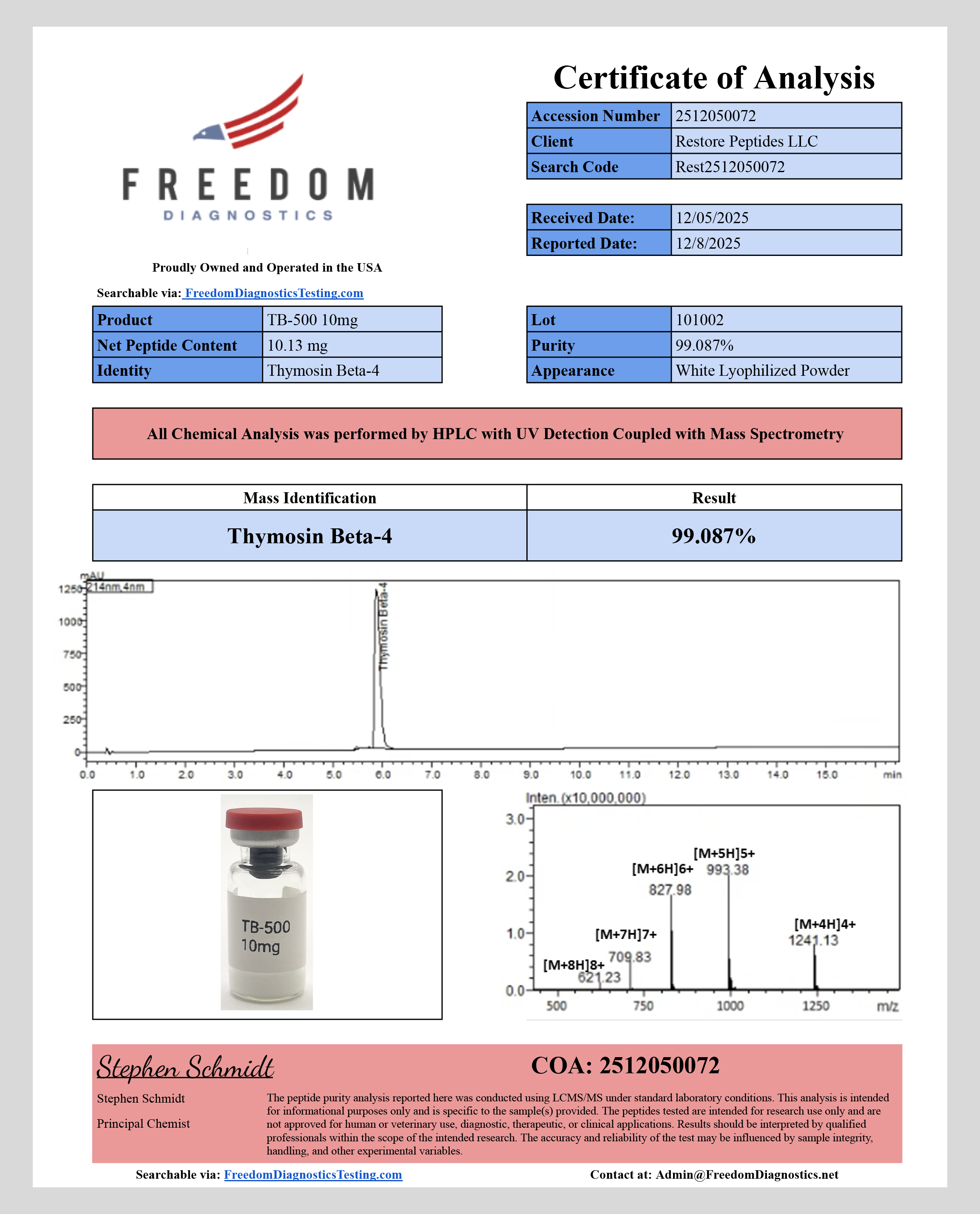
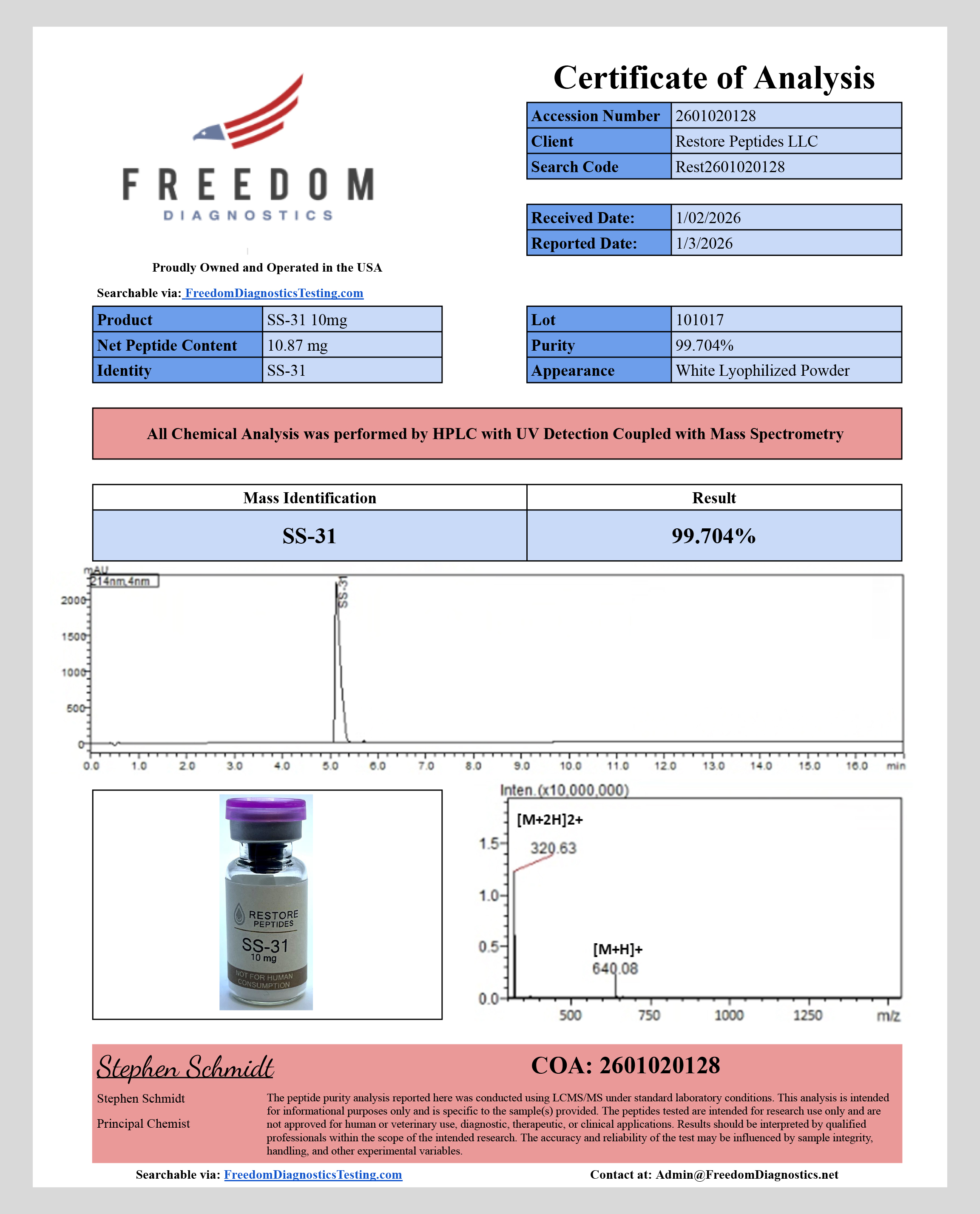
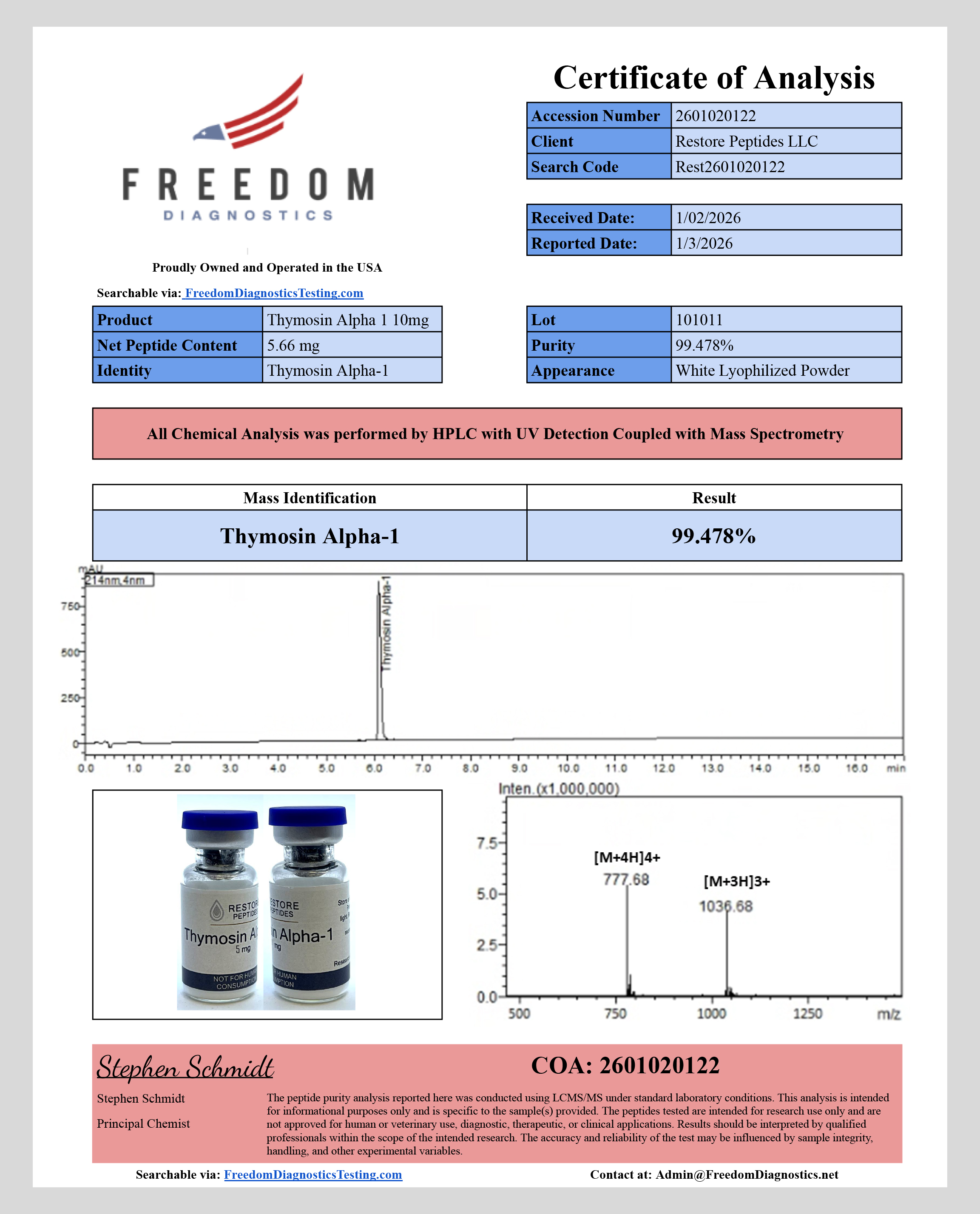
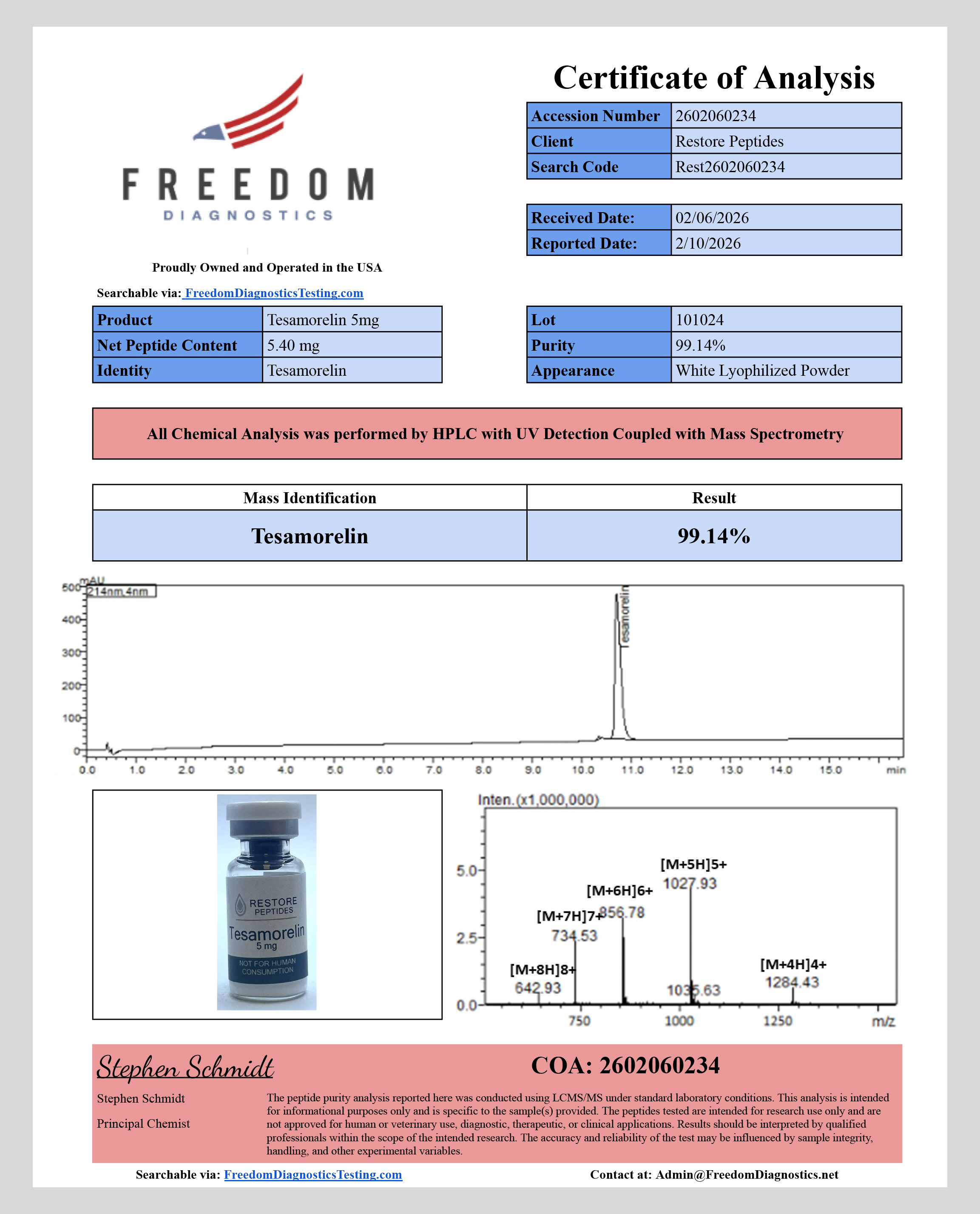
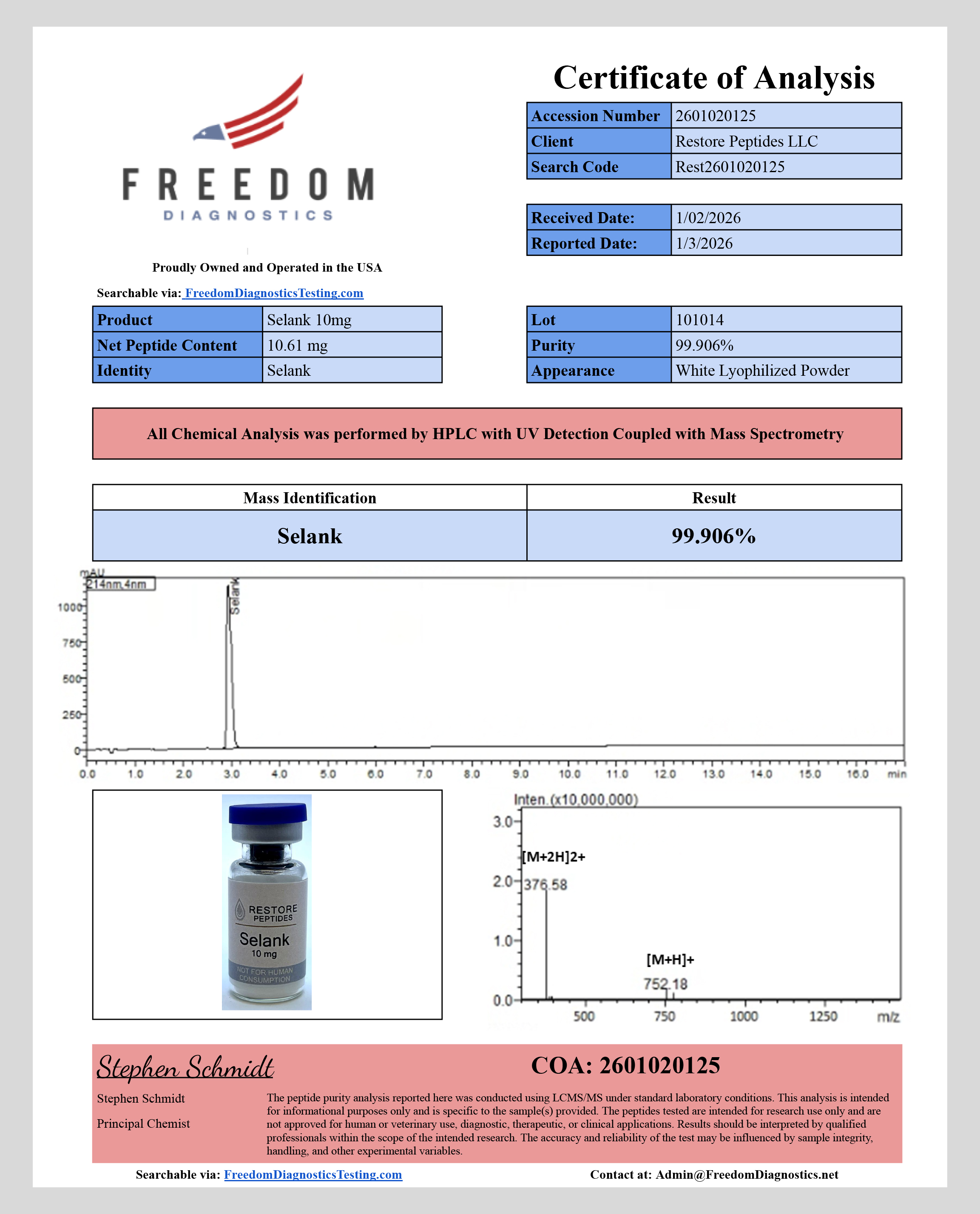
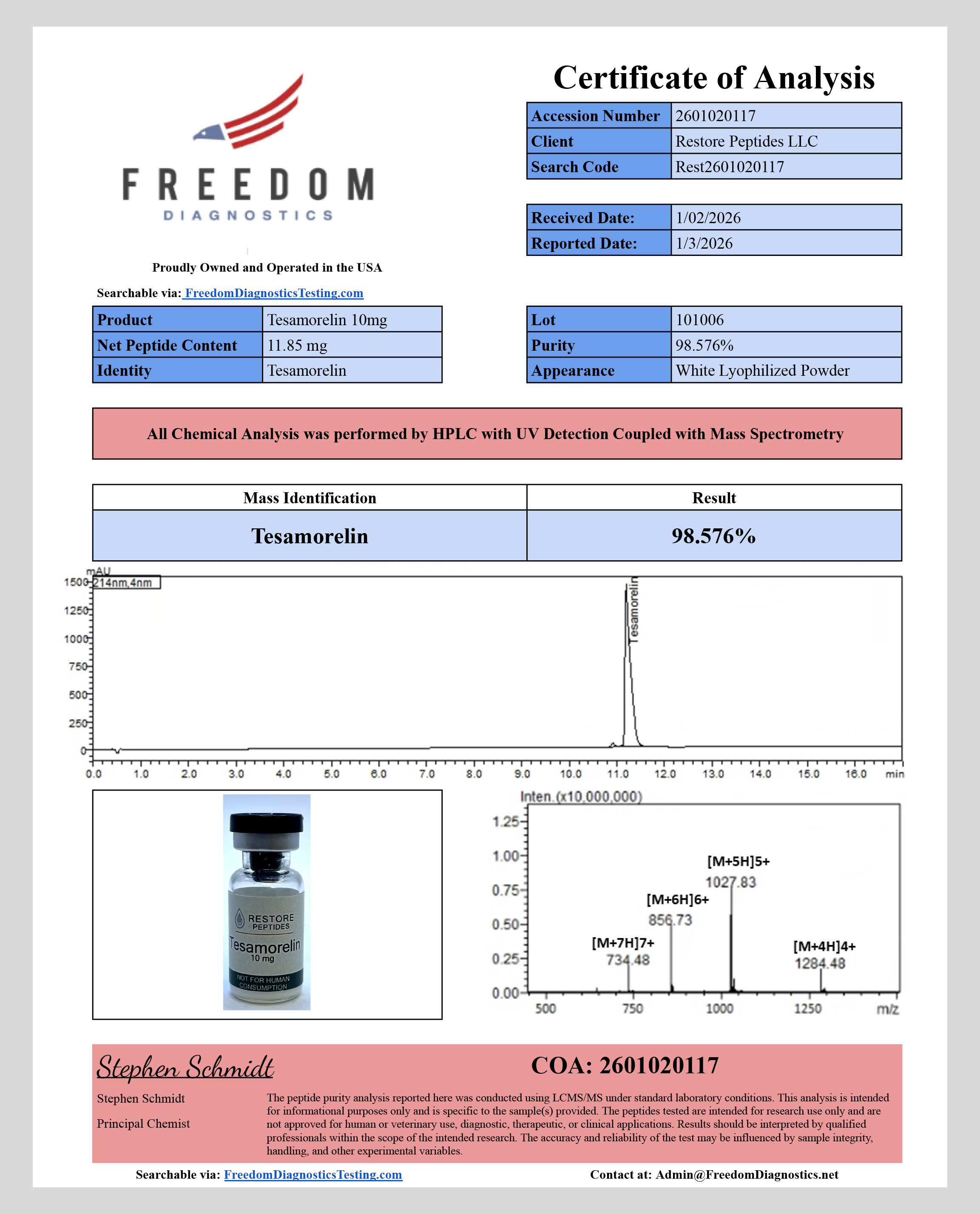
At Restore Peptides, every batch undergoes independent third-party laboratory testing to confirm identity, purity, and consistency before release. Each product is validated using advanced analytical methods including HPLC purity testing and mass-spectrometry verification.
A downloadable Certificate of Analysis (COA) is available for every lot we produce, ensuring researchers have transparent access to the data supporting their work.
What Our Testing Confirms
Our third-party testing evaluates:
Peptide identity confirmation
≥99% purity validation (HPLC)
Endotoxin screening
Batch-to-batch consistency
Stability and handling verification
This process ensures every vial meets the same rigorous quality standards expected by advanced research laboratories.

How to Access Test Reports
Each product page includes the corresponding lot-specific Certificate of Analysis. Researchers may also request documentation directly by contacting our support team with the product name and lot number, or by checking the provided images below.
Research Literature & Study Summaries
Below are selected peer-reviewed publications associated with peptides available in our catalog. These summaries are provided for informational research context only.
Brain-Gut Axis and Pentadecapeptide BPC-157
Sikiric et al., Current Neuropharmacology (2016)
This review explores the interaction between BPC-157 and the brain-gut axis, highlighting its role in tissue-repair signaling, vascular stability, and gastrointestinal mucosal protection in preclinical research models.
Cardiac Repair with Thymosin Beta-4
Srivastava et al. (2012)
This study investigates the regenerative potential of Thymosin Beta-4 in cardiac tissue, demonstrating improved cellular migration, angiogenic signaling, and myocardial repair processes in experimental models.
https://nyaspubs.onlinelibrary.wiley.com/doi/10.1111/j.1749-6632.2012.06696.x
GHK Peptide as a Modulator of Cellular Pathways in Skin Regeneration
Pickart et al. (2015)
Research shows GHK-Cu may influence collagen synthesis, wound-healing processes, and antioxidant-enzyme activation, supporting extracellular-matrix remodeling studies.
Delta Sleep-Inducing Peptide Research Update
Graf & Kastin (1986)
This publication reviews DSIP’s involvement in sleep-cycle regulation, neuroendocrine signaling, and stress-response modulation in laboratory research environments.
MOTS-c Regulates Metabolic Homeostasis by Activating AMPK
Lee et al. (2015)
The study demonstrates MOTS-c activation of AMPK pathways, showing improved metabolic regulation and glucose-handling responses in experimental models.
Pineal Peptide Epithalamin Lifespan Research
Anisimov et al. (1998)
Animal-model research indicates pineal peptides may influence longevity-related signaling pathways, oxidative-stress resistance, and cellular-aging mechanisms.
https://www.sciencedirect.com/science/article/abs/pii/S0047637498000347
NAD⁺ Therapy in Age-Related Degenerative Disorders
Braidy & Liu (2020)
This review examines NAD⁺’s role in mitochondrial health, oxidative-stress regulation, and neurodegenerative-disease research models.
Protection of Mitochondria by SS-31
Szeto et al. (2016)
Research demonstrates SS-31 may protect mitochondrial membranes, reduce oxidative damage, and preserve cellular energy production under stress conditions.
Activation of the GH/IGF-1 Axis by CJC-1295
Research indicates CJC-1295 stimulates sustained growth-hormone release and downstream IGF-1 signaling, supporting endocrine-regulation investigations.
https://www.sciencedirect.com/science/article/abs/pii/S1096637409000409
Long-Term Effects of Tesamorelin on Visceral Fat
Clinical Endocrinology (2014)
This study evaluates Tesamorelin’s role in metabolic-pathway regulation, demonstrating measurable changes in adipose-tissue signaling and endocrine response markers.
AOD-9604 Effects on Lipid Metabolism
Heffernan et al. (2001)
Research indicates the hGH fragment AOD-9604 stimulates lipolysis-related pathways and fat-metabolism signaling in experimental obesity models.
Ipamorelin Growth Hormone Secretagogue Research
Translational Andrology and Urology (2020)
This publication examines GH secretagogues including Ipamorelin, focusing on GH-axis regulation and anabolic signaling mechanisms.
Thymosin Alpha-1 Immune Modulation Study
International Journal of Immunopharmacology (1994)
Studies suggest Thymosin Alpha-1 influences T-cell activation, cytokine signaling, and immune-response pathways in immunological research models.
Retatrutide Triple-Receptor Agonist Trial
NEJM Phase-2 Trial
Research demonstrates the metabolic-pathway impact of triple-agonist receptor signaling, including effects on glucose regulation, lipid metabolism, and energy-balance pathways.
Systemic Healing Effects of BPC-157 Across Tissues
Effects of Thymosin β4 on Spinal Cord Injury in Rats
Thymosin β4 Induces Angiogenesis via Notch/NFκB Pathway
The Potential of GHK as an Anti-Aging Peptide
Effects of Delta Sleep-Inducing Peptide on 24-Hour Sleep Patterns
Mitochondrial-Derived Peptide: A Player in Exceptional Longevity
Peptide Regulation of Cell Proliferation and Aging
Peptides and Ageing
The NAD(+) Precursor Nicotinamide Riboside Enhances Oxidative Metabolism
Nicotinamide Mononucleotide Effects on Brain Mitochondrial Deficits
SS-31 Protects Mitochondrial Cristae from Oxidative Damage
CJC-1295 in GHRH Knockout Mice
LC-HRMS/MS Identification of GHRH
Drug-Receptor Interaction Mechanisms
Human GH Fragment 176-191 Peptide Study
Estrogen-Related Receptor α and Mitochondrial Function
Metabolic and Neuroprotective Effects of Estrogen-Related Receptors
5-Amino-1MQ Enhances Neuronal NAD+
5-Amino-1MQ Restores NAD+ in Aging Models
KPV Inhibits NF-κB Pathway in Intestinal Cells
Neuroprotective Effects of KPV in Alzheimer’s Models
GLP-1/GIP Dual Agonist Tirzepatide Promotes Mitochondrial Homeostasis
Research-Use Notice
All products referenced on this page are supplied exclusively for laboratory research use. Certificates of Analysis and laboratory documentation are available for each batch to ensure transparency, consistency, and reproducibility in research applications.
Simple Trusted COA
Explore the collection
Browse peptides individually or compare groups designed for multi-target research.
Restore Peptides supplies research-grade products only. Not for human or veterinary use.
Pages


Social Channels Coming Soon
What are research peptides?
Research peptides are lab-synthesized amino-acid sequences used to support scientific exploration in controlled laboratory settings. They are not intended for human or veterinary use, and should only be handled by qualified researchers.
Are your peptides tested?
Yes. Every peptide is manufactured under ISO-certified conditions and independently tested to confirm identity and purity (≥99%) as well as consistency and accuracy of each peptide. Each vial includes a Certificate of Analysis confirming those results.
How should peptides be stored?
Peptides are delivered in lyophilized (freeze-dried) form and should be stored at -20°C. After reconstitution, most solutions should be kept at 2–8°C and used within a limited time window. Please follow appropriate laboratory protocols for storage and handling.
Can I return or exchange my order?
Due to the sensitive nature of research compounds, all sales are final and we cannot accept returns or exchanges once an order is placed. We encourage you to carefully review your order before checking out. If your order arrives damaged or incorrect, please contact us and we will resolve it.
Are these peptides for human consumption?
No. All products are sold for research and development purposes only. They are not for human or animal use, and should never be used as supplements, medications, or cosmetic ingredients.
Have a different question?
Copyright 2026. RestoreLabs. All rights reserved.