

Lyophilized Peptides: Storage and Reconstitution in Research
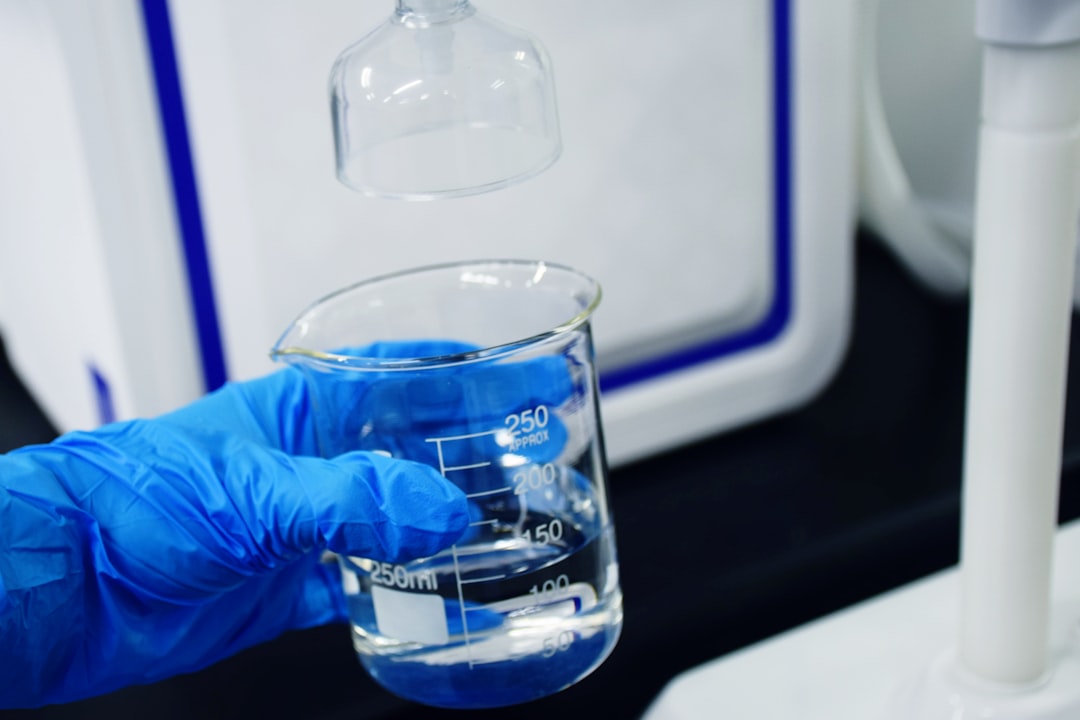
Peptides used in laboratory research are commonly supplied in a lyophilized (freeze-dried) form. This preparation method helps maintain molecular stability during storage and transportation while allowing researchers to reconstitute the material when it is ready for experimental use.
Lyophilization has become the preferred preservation technique for many research peptides because it removes moisture while protecting the structural integrity of the peptide chain.
Understanding how this process works can help researchers handle peptide materials more effectively and maintain consistency across experimental conditions.
What Does Lyophilized Mean?
Lyophilization is a scientific process that removes water from a substance through freeze-drying. The material is first frozen and then exposed to low pressure so that the ice within the sample transitions directly from solid to vapor through a process called sublimation.
Because the water is removed without heating the compound, the peptide structure remains intact.
The resulting product is a dry powder that can be stored more safely and reconstituted later when needed for laboratory use.
Why Peptides Are Freeze-Dried
Peptides are sensitive biological molecules. When stored in liquid solutions for extended periods, they may degrade due to temperature fluctuations, oxidation, or enzymatic activity.
Freeze-drying helps reduce these risks by removing the water environment that can contribute to chemical instability.
Advantages of lyophilized peptides include:
Improved storage stability
Reduced degradation over time
Easier transportation and packaging
More consistent long-term preservation
Because of these benefits, lyophilized peptides have become the standard format for many research materials.
Reconstitution in Laboratory Settings
Before a lyophilized peptide can be used in an experiment, it must be reconstituted into solution. This process involves carefully introducing a solvent to dissolve the peptide powder.
Common laboratory solvents include sterile water or bacteriostatic solutions depending on the experimental design and storage requirements.
Once reconstituted, researchers typically store peptide solutions at controlled temperatures to help maintain stability throughout the study period.
Maintaining Consistency in Peptide Preparation
Proper preparation techniques help ensure that experimental conditions remain consistent across research trials. When researchers reconstitute peptides using standardized methods, it becomes easier to maintain accurate concentrations and reproducible results.
Laboratories often document preparation protocols that include:
solvent type
dilution ratios
storage temperature
preparation dates
Maintaining these records helps researchers reproduce experiments and compare results across studies.
Storage Considerations for Lyophilized Peptides
While freeze-dried peptides are generally more stable than liquid preparations, they still require appropriate storage conditions to preserve their integrity.
Many peptides are stored at low temperatures in sealed containers to reduce exposure to moisture and environmental contaminants.
Proper storage practices help maintain peptide stability until the material is ready to be used in laboratory experiments.
Lyophilization and Modern Peptide Research
The ability to preserve peptides in a stable, dry format has played an important role in the growth of peptide research. Freeze-drying allows research materials to be transported globally, stored for extended periods, and prepared in controlled laboratory environments.
As peptide science continues to expand across fields such as metabolic research, cellular signaling, and neurobiology, lyophilized peptide preparations remain a foundational component of modern laboratory workflows.
References
Tang, X., & Pikal, M. J. (2004).
Design of freeze-drying processes for pharmaceuticals.
https://doi.org/10.1208/ps060104
Wang, W. (2000).
Lyophilization and development of solid protein pharmaceuticals.
https://doi.org/10.1016/S0378-5173(00)00423-3
Fosgerau, K., & Hoffmann, T. (2015).
Peptide therapeutics: Current status and future directions.
https://doi.org/10.1016/j.drudis.2015.01.003